
Runner’s Knee
Myth busting, tips and tricks to help you get the best out of your running this winter.
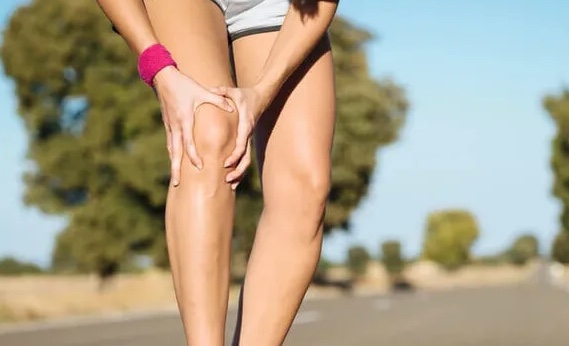
Runner’s knee is a broad, colloquial term used to describe pain in the anterior (front aspect) aspect of the knee. It may also be referred to as Patellofemoral joint pain or anterior knee pain by health care professionals.
The main symptom you will notice is pain. This is usually felt around the kneecap, either in front of it or behind it. Activities involving loading through a bent knee such as squatting, kneeling, running and walking downstairs or downhill may aggravate symptoms.
The pain may be sharp or dull and often the severity will increase as the intensity of exercise increases. You may also notice crepitus (creaking or cracking) behind the knee cap and occasionally swelling may occur.
What causes Runner’s knee?
Runners knee is thought to be pain caused by increased stress on the joint that connects the patella (kneecap) and the femur (thigh bone).
There are several potential causes for this increased stress and often it may be a combination of more than one making you more susceptible to this problem:
- Too much training or training at an intensity you are not used to.
- An injury to another part of the body, causing you to compensate over time causing cumulative stress on the knee.
- Weakness and lack of stability in the large muscle groups of the thigh and hips meaning more load through the knee joints.
- Being overweight – increased body mass causes additional stress and pressure on the knees when weight bearing.
- Gender – women are more predisposed to this condition than men due to naturally wider pelvis’.
What treatments are available?
- RICE: rest, ice, compression and elevation are all useful tools to manage pain and swelling for an acute injury. This may be particularly useful if you are experiencing these symptoms for the first time.
- Over the counter medications such as paracetamol and ibuprofen to help with pain and inflammation.
- A tailored rehabilitation programme including strengthening and mobility work to help improve any muscle imbalances and reduce pressure felt in the front of the knee.
- Custom insoles: Shoe orthotics such as formthotics can be useful to help improve movement patterns during walking and running.
- Use of a knee support or K-Tape to improve the position of the patella whilst bending and straightening the knee.
Here at Elevate Physiotherapy, we treat patients holistically and as individuals. All injuries will be fully assessed by one of our Physiotherapists and we will discus which combination of treatment options are likely to give you the most improvement of your symptoms. Please give us a call if you would like to discuss further, and one of our team will be happy to help.
